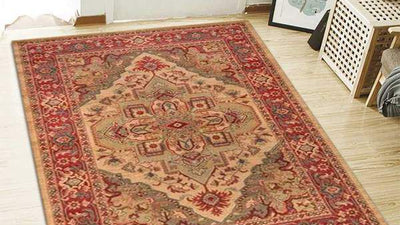
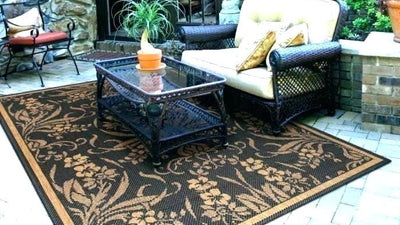
High-traffic areas — entryways, hallways, living rooms, kitchens — demand rugs that can take punishment day after day and still look presentable. Most natural fiber rugs look beautiful in a showroom and deteriorate quickly under real-world conditions. Polypropylene is different. Here is why it consistently outperforms in high-traffic applications.
Stain Resistance: How It Actually Works
Polypropylene fiber is hydrophobic — it repels water and water-based liquids rather than absorbing them. This is not a surface treatment that wears off; it is a fundamental property of the fiber itself.
When liquid contacts a polypropylene rug, it beads on the fiber surface rather than being drawn into the fiber. This gives you time to blot the spill before it penetrates to the backing. Most everyday spills — coffee, juice, wine, pet accidents — clean up with a clean cloth and cold water when addressed promptly.
Practical stain resistance comparison:
- Polypropylene: Liquid beads on surface; blots clean easily
- Wool: Moderate natural resistance; absorbs eventually if not treated quickly
- Cotton: Highly absorbent; stains penetrate quickly and require more intensive cleaning
- Jute/sisal: Very little stain resistance; liquid damage can be permanent
Fade Resistance in High-Light Areas
Entryways and rooms with large windows expose rugs to UV light that bleaches natural dyes over time. Wool and cotton rugs fade noticeably over years of sun exposure. Polypropylene is solution-dyed — the color is added to the polymer during manufacturing before the fiber is formed, rather than applied to the surface afterward.
Solution dyeing means the color is throughout the fiber, not just on its surface. UV light cannot bleach away color that is embedded in the fiber structure. This makes polypropylene rugs the best choice for:
- Entryways with glass doors or sidelights
- Sunrooms and three-season rooms
- Living rooms with large south- or west-facing windows
- Outdoor-to-indoor transition areas
Crush Recovery Under Furniture
Heavy furniture compresses rug pile. How well a rug recovers from that compression — called crush recovery — determines whether it looks fresh or permanently dented in high-traffic use.
Polypropylene fibers have good elastic memory. When furniture is moved or the rug is rotated, the compressed areas recover relatively quickly compared to natural fibers. Tips to maximize crush recovery:
- Use furniture coasters under heavy legs to distribute weight and reduce concentrated compression
- Rotate the rug 180 degrees every 6 months to distribute wear patterns evenly
- For heavily compressed areas, place an ice cube on the depression and let it melt slowly — the moisture and slow warming help the fibers spring back
Durability and Cost Per Year of Use
Polypropylene rugs are consistently less expensive than comparable wool rugs — often 50–70% less for similar size and pattern. But the more relevant comparison is cost per year of use:
- A $200 polypropylene rug that lasts 8–10 years in a high-traffic area costs $20–25 per year
- A $600 wool rug that lasts 15–20 years in the same area costs $30–40 per year but requires professional cleaning ($100–200 per cleaning)
- A $150 cotton rug that degrades noticeably in 3–4 years of high-traffic use costs $37–50 per year
For high-traffic areas specifically, polypropylene often wins the cost-per-year comparison even against much more expensive rugs, particularly when cleaning costs are factored in.
Cleaning Ease: The Day-to-Day Advantage
In high-traffic areas, cleaning frequency matters. A rug that requires professional cleaning or elaborate care rituals becomes a maintenance burden. Polypropylene rugs in most cases can be:
- Vacuumed regularly with a standard vacuum
- Spot cleaned with mild soap and water for most spills
- Hosed down outdoors for deeper cleaning (for smaller rugs)
- Cleaned with a carpet shampooer if needed
This cleaning simplicity means you are more likely to actually clean the rug regularly, which directly extends its lifespan and maintains its appearance.
When Polypropylene Is Not the Best Choice
Polypropylene is excellent for high-traffic areas but not the best choice everywhere. For a bedroom where you want maximum underfoot softness, or for a formal dining room where you want wool's luxurious appearance and warmth, polypropylene may not deliver the tactile or visual quality you are looking for. It is a highly practical material — not the most luxurious.
Related Articles
- Polypropylene Rugs: Are They Safe?
- Polypropylene vs Wool Rugs: Which Should You Choose?
- How to Choose a Hallway Runner
About RugKnots
RugKnots is a family-owned rug company based in Hagerstown, Maryland. Founded in 2010, we've spent over 14 years helping homeowners and designers find the right rug — from hand-knotted Persian heirlooms to durable machine-made everyday pieces. We hand-inspect every order before it ships, offer free U.S. shipping, and back every purchase with our 30-day return guarantee.
This article was written by our editorial team and reviewed for accuracy. Our writers work directly with our buyers and customer-experience team, who handle thousands of rug questions every year. If you have a question this article didn't answer, reach out — a real human will get back to you within one business day.