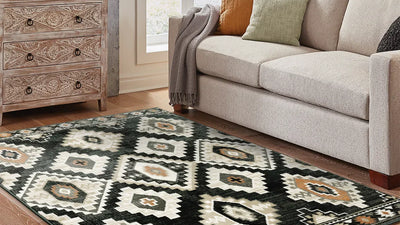
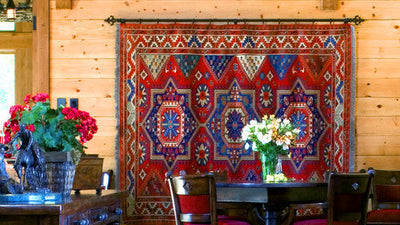
A farmhouse kitchen rug needs to thread a specific needle: it needs to look like it belongs in a thoughtfully designed farmhouse space while being able to handle the inevitable spills, cooking grease, and heavy foot traffic that every kitchen throws at it. The good news is that some of the most practical kitchen rug materials also happen to be the most on-brand for farmhouse style.
Runner vs. Area Rug: Which Is Right for Your Kitchen?
The choice between a runner and an area rug depends on your kitchen's layout and how you use the space.
When to Choose a Runner
A runner rug — typically 24–36 inches wide and 4–12 feet long — works best in:
- Galley kitchens with a linear work zone
- In front of the sink or cooking range as a standalone piece
- As a pair — one at the sink, one at the range — covering the two primary standing zones
Runners are practical for kitchens because they cover high-use areas without sprawling into traffic paths. They are also easier to remove for cleaning, which matters in a kitchen that sees daily use.
When to Choose an Area Rug
A larger area rug works well in:
- Open-plan kitchens where the kitchen needs visual definition separate from an adjacent dining or living area
- Large farmhouse kitchens with a central island where you want a rug to anchor the entire workspace
- Kitchen-dining combinations where a single large rug unifies both zones
Washable Farmhouse Kitchen Rugs
The most important functional requirement for any kitchen rug is that it can be cleaned regularly without deteriorating. For a farmhouse kitchen, washability should be a non-negotiable filter before you consider aesthetics.
What "washable" actually means for different materials:
- Cotton flatweave: The most washable farmhouse option. Machine-wash cold, tumble-dry low. Cotton rugs in classic farmhouse patterns — ticking stripe, simple checks, solid cream — are both authentic to the style and fully washable. Replace every 2–3 years as needed; they are inexpensive enough to treat as consumables.
- Polypropylene: Highly practical, stain-resistant, and easy to spot-clean or hose down. Polypropylene rugs are manufactured in farmhouse-appropriate patterns — distressed, faded, and natural-looking. The tradeoff is that polypropylene does not have the same authentic material feel as cotton or natural fiber.
- Low-pile wool: Not machine-washable in most cases, but spot-cleans well and is naturally stain-resistant to a degree. Best for farmhouse kitchens that are used with moderate care rather than heavy daily cooking.
- Jute: Avoid in the kitchen. Jute cannot handle moisture and will develop odor and structural damage from repeated exposure to kitchen spills and steam.
Material Choices for a Farmhouse Kitchen
Best Overall: Cotton Flatweave
Cotton flatweave rugs hit the sweet spot for farmhouse kitchen use. They are washable, they lie completely flat without curling edges, they come in authentic farmhouse patterns, and they are inexpensive enough to replace without significant cost. The flatweave construction does not trap crumbs the way pile rugs do, which makes daily maintenance easier.
Best for Durability: Polypropylene
If you want a rug that will last longer between replacements and handle heavier use, a polypropylene rug in a distressed or faded pattern is the most durable choice. Look for patterns that mimic the look of aged cotton or worn wool — the visual result is farmhouse-appropriate even though the material is synthetic.
Best for Texture: Layered Jute Over Polypropylene
If you want the look and texture of jute in a kitchen, consider layering a small jute accent rug (away from the sink and cooking zone) over a polypropylene base rug. The practical rug handles the splash zones; the jute adds the authentic texture you want for the aesthetic.
Farmhouse Kitchen Rug Patterns That Work
- Ticking stripe: The most classic farmhouse kitchen pattern. Clean, unpretentious, and traditional.
- Simple check or buffalo plaid: Works particularly well in smaller kitchens where the scale of the check fits the room
- Solid natural or cream: The safest choice when the kitchen already has a lot of pattern in tile, cabinets, or open shelving
- Subtle floral or vine: Traditional farmhouse kitchens often featured botanical patterns — a small-scale floral in faded tones is authentic and charming
- Distressed vintage pattern: A rug that looks like it has lived in kitchens for decades — faded, worn, honest
Sizing a Farmhouse Kitchen Rug
- Single sink zone: 20x32 or 20x48
- Galley kitchen runner: 2x6, 2x8, or 2.5x8
- Island kitchen area rug: 4x6 or 5x8 depending on island size
- Open kitchen definition zone: 6x9 or 8x10
Related Articles
- Farmhouse Rug Ideas for Living Rooms
- Best Farmhouse Rug Colors: Neutral Palette Guide
- Best Kitchen Rugs for In Front of the Sink
About RugKnots
RugKnots is a family-owned rug company based in Hagerstown, Maryland. Founded in 2010, we've spent over 14 years helping homeowners and designers find the right rug — from hand-knotted Persian heirlooms to durable machine-made everyday pieces. We hand-inspect every order before it ships, offer free U.S. shipping, and back every purchase with our 30-day return guarantee.
This article was written by our editorial team and reviewed for accuracy. Our writers work directly with our buyers and customer-experience team, who handle thousands of rug questions every year. If you have a question this article didn't answer, reach out — a real human will get back to you within one business day.
Ready to shop? shop our full collection of farmhouse rugs — 400+ styles in jute, cotton & distressed looks, with free shipping & 30-day returns.