

Quick answer: Jute and sisal are both natural plant-fiber rugs, but they behave differently underfoot. Jute is softer, a little shinier and usually less expensive, which makes it the better pick for living rooms and bedrooms with light to moderate foot traffic. Sisal is coarser, firmer and tougher, so it holds up better in entryways, hallways and other busy spots. Neither fiber likes water, so keep both away from bathrooms and wet areas.
Jute vs Sisal at a Glance
| Jute | Sisal | |
|---|---|---|
| Where the fiber comes from | The stalk of the jute plant | The leaves of the agave sisalana plant |
| Feel underfoot | Soft, slightly silky | Firm, coarse, a bit scratchy |
| Durability | Medium; best for light to moderate traffic | High; handles busy areas |
| Look | Warm golden-brown with a natural sheen | Lighter, creamy tones; takes dye well |
| Moisture | Absorbs water; can brown or mildew if left damp | Absorbs water; water spots and stains easily |
| Price | Usually the more affordable of the two | Usually costs more |
| Best rooms | Living rooms, bedrooms, home offices | Entryways, hallways, stairs, family rooms |
Texture: Is Jute Softer Than Sisal?
Yes. Jute fibers are finer and more pliable, so a jute rug feels soft enough to sit on or walk across barefoot. Sisal fibers are stiffer, which gives sisal its crisp, tailored look but also a rougher feel. If you plan to sit on the floor, have kids playing on the rug, or want something cozy beside the bed, jute is the more comfortable choice. If comfort matters less than toughness, sisal wins.
Durability: Which Lasts Longer?
Sisal is the stronger fiber. Its stiffness helps it resist crushing and wear, so it keeps its shape in high-traffic zones such as entryways and hallways. Jute is softer because its fibers are weaker, so it can shed, fray or flatten faster under constant foot traffic or heavy furniture that is moved often. A good rug pad helps both last longer; see our rug pad size guide for the right fit.
Moisture, Stains and Cleaning
Both fibers are absorbent, and that is their biggest weakness. Water can leave brown marks on jute and visible water spots on sisal, and a rug that stays damp can develop mildew. That is why neither fiber is a good fit for bathrooms, laundry rooms or the area right in front of a kitchen sink.
- Vacuum regularly to lift grit that wears down the fibers.
- Blot spills right away with a dry cloth; do not rub or soak the rug.
- Avoid steam cleaning and shampooing, which push water deep into the fibers.
- If a spot does get wet, dry it quickly with a fan or hair dryer on a cool setting.
For step-by-step care, read our guide on how to clean a jute rug.
Style: How Each One Looks in a Room
Jute has a chunky, relaxed weave and a warm golden tone that suits coastal, farmhouse, boho and Scandinavian rooms. It is also popular for layering under a smaller patterned rug. Sisal usually has a tighter, flatter weave that reads more tailored and polished, and because it takes dye well, it comes in more colors and bordered styles. If you want a natural look with a little pattern, striped jute rugs add color without losing the natural texture.
Jute vs Sisal: Pros and Cons
Jute
- Pros: soft underfoot, warm natural color, usually more affordable, biodegradable.
- Cons: less durable in heavy traffic, can shed, stains and browns when wet.
Sisal
- Pros: very durable, holds its shape, works in busy areas, available in more colors.
- Cons: coarse and less comfortable barefoot, water spots easily, usually costs more.
Which One Should You Choose?
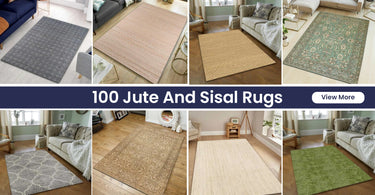
Choose jute if comfort and budget come first and the rug will sit in a living room, bedroom or office. Choose sisal if the rug has to handle a lot of foot traffic, such as an entryway, hallway or stairs. If you want something in between, look at jute-and-sisal blends or flatweave styles. You can compare both in our jute and sisal rugs collection, and learn more about jute on its own in our jute rug guide.
Frequently Asked Questions
What is the main difference between jute and sisal rugs?
Jute comes from the stalk of the jute plant and is soft and less expensive. Sisal comes from agave leaves and is coarser but much more durable. Jute suits low-traffic rooms; sisal suits high-traffic areas.
Are sisal rugs soft?
Not really. Sisal is firm and slightly scratchy, which is why it is rarely used where people sit on the floor. If softness matters, jute is the better natural-fiber choice.
Is jute or sisal better for high-traffic areas?
Sisal. Its stiff fibers resist wear and crushing, so it holds up better in entryways, hallways and on stairs.
Can jute or sisal rugs get wet?
Neither should get wet. Both absorb water, which can cause stains, brown marks or mildew. Blot spills quickly and keep these rugs out of bathrooms and other damp spaces.
Which is cheaper, jute or sisal?
Jute is usually the more affordable option. Sisal takes more processing and is more durable, so it typically costs more for the same size.