



Quick answer: Clean a sisal rug with as little water as possible. Vacuum regularly with suction only, treat spills immediately by blotting with a dry white cloth, and deep clean with a dry cleaning powder rather than shampoo or steam. Water is sisal's biggest enemy; it causes browning, warping, and mildew in this natural plant fiber.
Sisal is one of the most durable natural fibers you can put on a floor; it is spun from the leaves of the agave plant and woven into a crisp, tailored texture that works in almost any room. But that same plant origin makes sisal behave completely differently from wool or synthetics when it gets dirty. Clean it like a regular rug and you can ruin it in one afternoon. Here is the full routine, from weekly care to pet accidents, based on what actually works on natural fiber.

The Golden Rule: Keep Water Away From Sisal
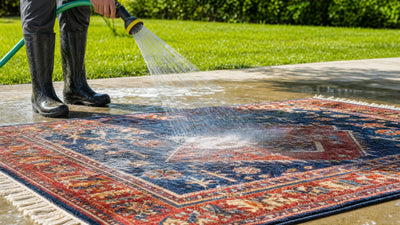
Everything about sisal rug cleaning flows from one fact: sisal fibers absorb water like a paper towel, and when they do, they swell, distort, and develop permanent tan or brown rings as the moisture dries and wicks plant oils to the surface. This is the browning effect, and no amount of scrubbing removes it. That means no steam cleaners, no carpet shampooers, no soaking, and no hosing it off outside. Even high indoor humidity can soften and dull sisal over time, which is why it does not belong in bathrooms or damp basements.
Sisal Cleaning Methods at a Glance
| Situation | Method | What to Avoid |
|---|---|---|
| Weekly care | Vacuum with suction only, both directions | Beater bar on high pile settings |
| Fresh liquid spill | Blot immediately with dry white cloth | Rubbing, which spreads and embeds |
| Dried food or mud | Let dry fully, scrape gently, vacuum | Wetting it to "loosen" the mess |
| Deep clean (1-2x a year) | Dry cleaning powder, brush in, vacuum out | Shampoo, steam, immersion |
| Pet accidents | Blot fast, then dry enzyme cleaner | Saturating with liquid enzyme sprays |
The Weekly Routine: Vacuum Like You Mean It

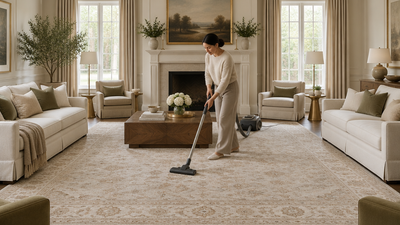
Dry soil is the thing you can actually control. Grit works down into the weave and acts like sandpaper every time someone walks across the rug, so a thorough vacuum once or twice a week does more for a sisal rug's lifespan than any deep clean. Use a suction-only setting or a hard-floor head; a spinning beater bar can snag and fray the woven fibers. Vacuum in both directions, following the weave, then across it, and hit the underside a few times a year too. Rotate the rug 180 degrees every few months so traffic and sunlight wear evenly.
Spot Cleaning: The Dry Method

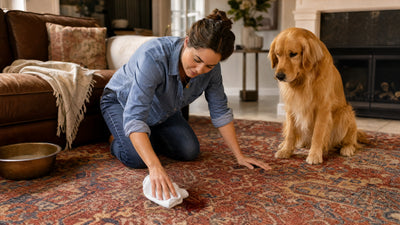
When something spills, speed matters more than product. Blot straight down with a clean, dry white cloth or paper towel, swapping to fresh sections until almost nothing transfers. Never rub; rubbing pushes the spill deeper into the weave. For a slightly sticky residue, dampen a cloth very lightly (wrung out until nearly dry), dab the spot, then immediately press dry towels over the area and weigh them down to pull moisture back out. Point a fan at the spot until it is bone dry. You may see club soda recommended online; use it with real caution, because it is still water, and on sisal more liquid usually means a bigger ring, not a cleaner spot.
Deep Cleaning With Dry Powder

Once or twice a year, or when the rug looks dull overall, use a dry carpet cleaning powder (the granulated, solvent-impregnated kind sold for natural fiber). Sprinkle it evenly over the rug, work it gently into the weave with a soft brush, let it sit the time the label specifies, then vacuum slowly and thoroughly. The granules absorb oils and grime without introducing moisture. This is the only "wash" a sisal rug should ever get at home.
How to Clean Sisal Rug Pet Stains

Pet urine is the hardest problem on sisal because the fix for every other rug, flushing with water and enzyme solution, is exactly what sisal cannot tolerate. Here is the realistic protocol: blot up as much liquid as possible immediately, pressing hard with layered paper towels and standing on them if needed. Then apply a dry or minimal-moisture enzyme cleaner formulated for natural fiber, following the label exactly, and dry the area fast with a fan. Sprinkle baking soda once dry to absorb lingering odor, leave it for a few hours, and vacuum. If your household includes pets that have regular accidents, honestly, sisal may be the wrong fiber; our pet-friendly rugs in durable wool handle accidents far more forgivingly.
Stains That Will Not Come Out (Honesty Section)
Some marks are permanent on sisal, and it is better to know that upfront: old urine stains that dried before treatment, browning rings from past wet cleaning, grease that has oxidized into the fiber, and dye-based spills like red wine or cherry juice that sat overnight. A professional natural-fiber specialist using dry methods can sometimes improve them, but even pros cannot reverse water browning. If a spot is in a visible area and bothers you daily, strategic furniture placement or replacing the rug is sometimes the practical answer.
Protect It Before It Stains
A fabric protector spray made for natural fibers adds a meaningful buffer, giving you a few extra seconds before spills soak in. Apply it to a new rug (test a corner first), reapply once a year, and you will win far more blotting races. Keep sisal out of high-humidity rooms, use a quality rug pad underneath to reduce abrasion, and clip any loose sprouting fiber with scissors rather than pulling it.
Sisal vs Jute: Care Is Not the Same

People lump natural fiber rugs together, but sisal and jute behave differently. Sisal is stiffer, more durable underfoot, and slightly more tolerant of quick blotting; jute is softer but even more water-sensitive and sheds more. If you are weighing the two fibers, our guide to the truth about jute rugs breaks down the differences, and you can compare looks across our jute and sisal rugs collection.
Common Mistakes
- Steam cleaning or shampooing. The fastest way to brown and warp a sisal rug permanently.
- Rubbing spills. Blot straight down; rubbing grinds the spill into the weave.
- Using a beater bar. It frays and fuzzes the woven surface over time.
- Ignoring spills until later. Sisal gives you a short window; set the timer in minutes, not hours.
- Treating pet accidents with liquid enzyme sprays. Saturation trades an odor problem for a browning problem.
FAQ
How do you clean a sisal rug?
Vacuum weekly with suction only, blot spills immediately with a dry white cloth, and deep clean once or twice a year with a dry carpet cleaning powder brushed in and vacuumed out. Avoid water, steam, and shampoo entirely, since moisture causes permanent browning in sisal fiber.
How do you clean sisal rug pet stains?
Blot up all liquid immediately with layered towels, apply a minimal-moisture enzyme cleaner made for natural fibers, and dry the spot quickly with a fan. Once dry, baking soda absorbs remaining odor. Old, dried pet stains are usually permanent on sisal, so speed is everything.
Can sisal rugs get wet?
No. Sisal absorbs water readily, and wet fibers swell, warp, and develop permanent brown rings as they dry. Keep sisal out of bathrooms, damp basements, and uncovered outdoor spaces, and dry any accidental wetting as fast as possible with towels and a fan.
Do sisal rugs shed?
Very little. Unlike jute, which sheds fine fibers for months, sisal's stiff agave fibers stay put. You may see an occasional loose end or sprout in the weave; trim it level with scissors instead of pulling it, which can unravel the strand.
What is the best sisal rug stain removal method?
For fresh spills, immediate dry blotting removes most of the stain before it sets. For residue, a barely damp dab followed by fast forced drying works. For overall grime, dry cleaning powder is the safest deep clean. Anything requiring saturation belongs to a natural-fiber professional.
The Right Natural Fiber for Your Room
Cared for dry, a sisal rug keeps its crisp, tailored look for many years. If you love the natural texture, explore our jute and sisal rugs, soft jute rugs for lower-traffic rooms, and neutral area rugs that pair beautifully with natural fiber texture. We have been sourcing rugs since 1987, and every order ships free in the contiguous US with free 30-day returns. For bigger cleaning jobs, see our guides on cleaning a large area rug at home and professional rug cleaning costs.

)